
What is the Process for Filing a Fatal Truck Accident Lawsuit in Newark, NJ?
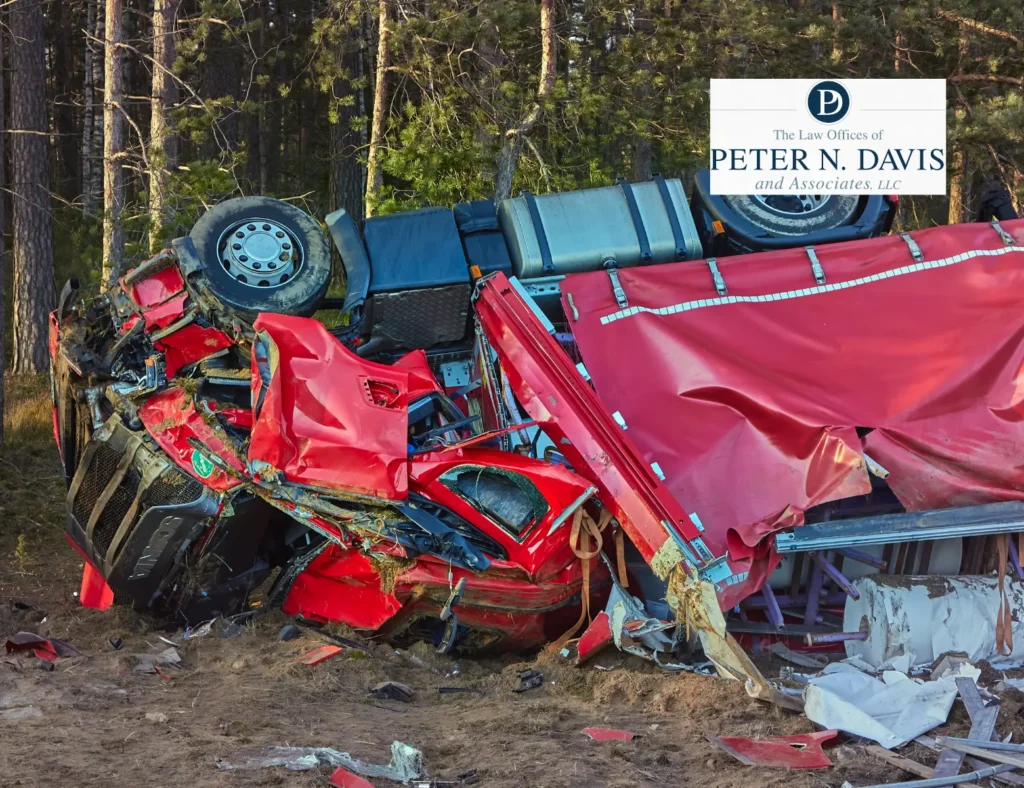
Nothing prepares you for this. One day your family is whole, and then it isn’t, because a truck driver made a careless decision, or a trucking company cut corners, or someone who should have been held accountable wasn’t. The grief that follows a loss like this is unlike anything else, and it doesn’t pause for paperwork or phone calls or decisions.
But those things come anyway. An insurance adjuster reaches out sooner than you’d expect, sounding measured and professional, already working to protect the company’s interests. Bills arrive. Family members ask questions you don’t have answers to. And at some point, through all of it, the question of what you can actually do legally starts to take shape.
If you’re at that point now, what follows is a clear picture of what the process for filing a fatal truck accident lawsuit looks like for families pursuing a wrongful death claim after a fatal truck accident in New Jersey.
At a Glance
- A wrongful death claim may be filed when someone dies due to another party’s negligence
- In New Jersey, the claim is typically filed by a personal representative of the estate
- The New Jersey wrongful death claim process includes investigation, filing a lawsuit, discovery, and possible trial
- Truck accident cases often involve multiple liable parties, including trucking companies
- Both the wrongful death claim and survival action carry a two-year statute of limitations under New Jersey law
- Evidence like driver logs, accident reports, and vehicle maintenance records can be critical
What Qualifies as a Fatal Truck Accident Lawsuit in New Jersey?
Under New Jersey law, a fatal accident involving a commercial truck, tractor-trailer, or other large commercial vehicle may give rise to a wrongful death claim if negligence played a role.
This can include situations where a truck driver was fatigued, distracted, or under the influence; trucking companies failed to follow federal regulations or safety rules; improper cargo loading or poor vehicle maintenance contributed to the crash; or safety violations within the trucking industry went unaddressed.
These wrongful death cases are often more complex than a standard car accident claim because they involve layered liability and strict regulations governing commercial vehicles.
If your family is considering legal action after losing someone in a truck accident, the first step is understanding who has the right to bring a claim.
Who Can File a Wrongful Death Claim in New Jersey?
In New Jersey, not just anyone can file a wrongful death lawsuit. The claim must be brought by a personal representative of the deceased person’s estate under N.J.S.A. 2A:31-2. That person may then pursue compensation on behalf of surviving family members, such as a spouse, children, or parents and other dependents.
Before filing, the estate may need to be formally opened through the court. This step is part of the legal process and is often handled by an attorney who focuses on truck accident cases in New Jersey.
The Process for Filing a Fatal Truck Accident Lawsuit
While each case is different, most follow a similar path through the New Jersey court system.
Step 1: Contacting a Wrongful Death Lawyer
Before opening an estate or speaking with anyone from an insurance company, contacting a Newark, NJ wrongful death lawyer should be the first call you make. Trucking companies and their insurers begin building their defense immediately after a fatal crash. The sooner a legal team is involved, the better positioned your family is to preserve critical evidence, avoid saying something that could be used against the claim, and understand your rights before any deadlines begin to run.
An attorney will evaluate whether your family has grounds for a wrongful death claim, a survival action, or both, and will guide each step of the process from that point forward.
Step 2: Opening the Estate and Identifying the Representative
The second step is determining who will act on behalf of the estate. This may involve filing paperwork with the New Jersey court system to appoint an administrator before any wrongful death claim can move forward.
Step 3: Conducting a Thorough Investigation
A thorough investigation is one of the most important stages of any truck accident case. Evidence must be gathered promptly before it disappears or becomes inaccessible. This may include:
- Police reports and accident reports from the accident scene
- Witness statements
- Driver logs and driver records
- Vehicle maintenance records
- Black box data from the commercial truck
- Employment records of the truck driver
In many truck accidents, attorneys also work with accident reconstruction specialists to determine exactly what happened in the moments before the crash.
Step 4: Identifying All Liable Parties
Unlike many personal injury cases, a New Jersey truck accident lawsuit may involve several parties. The truck driver may share liability with the trucking company, maintenance providers, cargo loading companies, or insurance carriers.
Identifying each responsible party is what allows truck accident victims to seek the full compensation available under the law, and it can make a meaningful difference in what a wrongful death claim ultimately recovers.
Step 5: Filing the Truck Accident Lawsuit
Once the investigation is complete, your legal team will file a formal complaint in the appropriate New Jersey court. This document outlines the legal claim, the liable parties, and the damages being sought. At this stage, the lawsuit officially begins.
Step 6: The Discovery Phase
During discovery, both sides exchange information and evidence. This may include medical records and documentation of medical treatment, depositions from witnesses and experts, document requests directed at trucking companies, and analysis of safety violations and compliance with trucking regulations.
This phase builds the foundation of the case and often surfaces critical evidence that wasn’t available at the outset.
Step 7: Settlement Negotiations or Trial
Many truck accident claims are resolved through settlement negotiations with the insurance company. However, if a fair settlement isn’t offered, the case may proceed to trial. A Newark, NJ wrongful death lawyer will evaluate the full extent of damages before advising whether to accept a settlement or move forward with litigation.
What Compensation May Be Available?
A wrongful death claim and a survival action are two separate claims that are often filed together in fatal truck accident cases in New Jersey. Each serves a different purpose and compensates different losses.
A wrongful death claim under N.J.S.A. 2A:31-1 compensates surviving family members for their own pecuniary losses. This may include:
- Medical bills and medical expenses related to the accident
- Funeral and burial costs
- Lost wages and future income the deceased would have provided
- The value of household services and support the deceased contributed
A survival action under N.J.S.A. 2A:15-3 is a separate claim that continues the legal rights the deceased would have had if they had lived. It allows the estate to pursue compensation for what the deceased experienced before death, which may include:
- Conscious pain and suffering the deceased experienced between the accident and death
- Medical treatment costs incurred during that period, including physical therapy and ongoing care until the time of passing
In cases involving egregious misconduct, punitive damages may also be available under New Jersey law, though they require clear and convincing evidence and are awarded in limited circumstances.
How the Statute of Limitations Affects Your Case
New Jersey law places a strict deadline on wrongful death claims. Under N.J.S.A. 2A:31-3, in most truck accident cases the statute of limitations is two years from the date of death. Missing this deadline can prevent you from pursuing a legal claim at all.
There are limited exceptions, but they’re rare. Acting within the appropriate timeframe protects your legal rights and preserves access to the evidence your case depends on.
Frequently Asked Questions
Do I need to open an estate before filing a wrongful death claim in New Jersey?
Yes. In most cases, a personal representative must be appointed before filing the lawsuit.
What is the NJ truck accident lawsuit timeline?
It depends on the complexity of the case. Many take a year or longer, particularly if they proceed to trial.
What is the difference between a wrongful death claim and a personal injury lawsuit?
A personal injury lawsuit is filed by an injured person seeking compensation for their own injuries. A wrongful death claim is filed when the injured person has passed away due to the accident, and it’s brought on behalf of the estate and surviving family members.
Can multiple parties be held responsible in truck accident cases?
Yes. New Jersey truck accident cases often involve several parties, including the truck driver, trucking companies, cargo loaders, maintenance providers, and their respective insurance carriers.
What if the truck accident victim had health insurance?
The deceased’s health insurance coverage may play a role in how certain expenses are addressed, but a wrongful death claim operates separately and pursues compensation from the liable parties. A truck accident lawyer can walk you through how different coverage types interact.
Fighting for Your Family While You Focus on What Matters
Losing a family member is devastating, and the financial weight that follows can be just as overwhelming. On top of grief, you’re likely facing unexpected hospital bills, funeral costs, and possibly the sudden loss of your household’s primary income. Insurance companies know this, and they frequently pressure grieving families into accepting lowball settlements before those families understand what their claim is actually worth.
At The Law Offices of Peter N. Davis & Associates, our Newark, NJ wrongful death lawyers have been fighting insurance companies for over three decades and have sought recovery of over $1 billion in settlements for our clients. We take over the communication, build the case, and pursue compensation on your loved one’s behalf, so you can focus on the people who need you most.
We know legal emergencies don’t follow a schedule. That’s why we’re available 24/7, whether it’s late at night or on a weekend. We handle these cases on a contingency fee basis, meaning you pay nothing unless your case is resolved in your favor.
If you’re ready to talk, call us at (973) 279-7246(973) 279-7246 or complete our confidential online form to schedule a free consultation. Our goal is to protect your rights and seek justice for you.
Copyright © 2026. The Law Offices of Peter N. Davis & Associates, LLC. All rights reserved.
The information in this blog post (“post”) is provided for general informational purposes only and may not reflect the current law in your jurisdiction. No information in this post should be construed as legal advice from the individual author or the law firm, nor is it intended to be a substitute for legal counsel on any subject matter. No reader of this post should act or refrain from acting based on any information included in or accessible through this post without seeking the appropriate legal or other professional advice on the particular facts and circumstances at issue from a lawyer licensed in the recipient’s state, country, or other appropriate licensing jurisdiction.
The Law Offices of Peter N. Davis & Associates, LLC
72 Essex Street, Suite 2,
Lodi, NJ 07644
(973) 279-7246(973) 279-7246
https://peterdavislaw.com/
Ask a Question,
Describe Your Situation,
Request A Free Case Review
Fill out the form below or feel free to call us at (973) 279-7246(973) 279-7246
Required Fields*
Your Information Is Safe With Us
We respect your privacy. The information you provide will be used to answer your question or to schedule an appointment if requested.
What Our Clients Are Saying About Us!
Real Clients and Real Reviews
I had a very positive experience with the Law Offices of Peter N. Davis & Associates. Nick Barrone handled my case, and I couldn’t be happier with the level of service I received. After my auto accident in Jersey City, NJ, I was dealing with ongoing back and neck pain and wasn’t sure what to expect from the legal process. Nick was professional, attentive, and always made sure I understood each step along the way. He took the time to answer my questions and genuinely cared about my situation. I felt supported throughout the entire process, which made a stressful situation much easier to handle. The firm worked diligently on my behalf and kept me informed the whole time. I truly appreciate their dedication and effort in helping me through this difficult experience. I highly recommend them to anyone in need of a reliable and compassionate attorney.

I highly recommend Peter Davis & Associates. In particular, Mr. David Ventoso, Esq. did an excellent job helping and assisting me. Mr. Ventoso was knowledgeable, professional and responsive.
All the staff members at the firm took the time to explain every detail and step of the process; they answered all my questions and were always kind. Special thanks to Ms. Carolyn for doing an amazing job.
If you're looking for an attorney in NJ who is trustworthy and really cares, Peter Davis & Associates is an excellent choice.

I highly recommend the Law Offices of Peter N. Davis.
After I was rear-ended in a car accident and suffered injuries to my neck and back, they provided outstanding representation during a very difficult time in my life.
My attorney, Robert Russotti, and my case manager, Muminah Ramadan, were professional, compassionate, and attentive throughout the entire process. They helped me obtain the medical treatment I needed and were always available to answer my questions and address any concerns I had. Their diligence, communication, and dedication gave me peace of mind while I focused on my recovery.
I am truly grateful for the support and guidance they provided during my hardship. I would not hesitate to recommend the Law Offices of Peter N. Davis to my family and friends.

Thank you so much for your help.
I want to especially thank David Ventoso for always informing me what was going on with my case. He kept up with all my questions and answered every time I called him.
Awesome staff also
Thank you again
Angela Selby

I had a great experience working with David Ventoso at the Law Offices of Peter N. Davis after my motor vehicle accident. I suffered injuries to my knee and lower back, and Mr. Ventoso along with Carolyn guided me through the entire process from start to finish.
They were always responsive to my questions and concerns, kept me informed, and made everything as stress-free as possible. They also referred me to receive the medical treatment I needed, which made a huge difference during my recovery.
Thanks to their hard work and dedication, I was very pleased with my compensation. I highly recommend this law firm to any friends or family in need of a personal injury attorney.