Understanding Comparative Negligence in New Jersey Auto Accident Cases
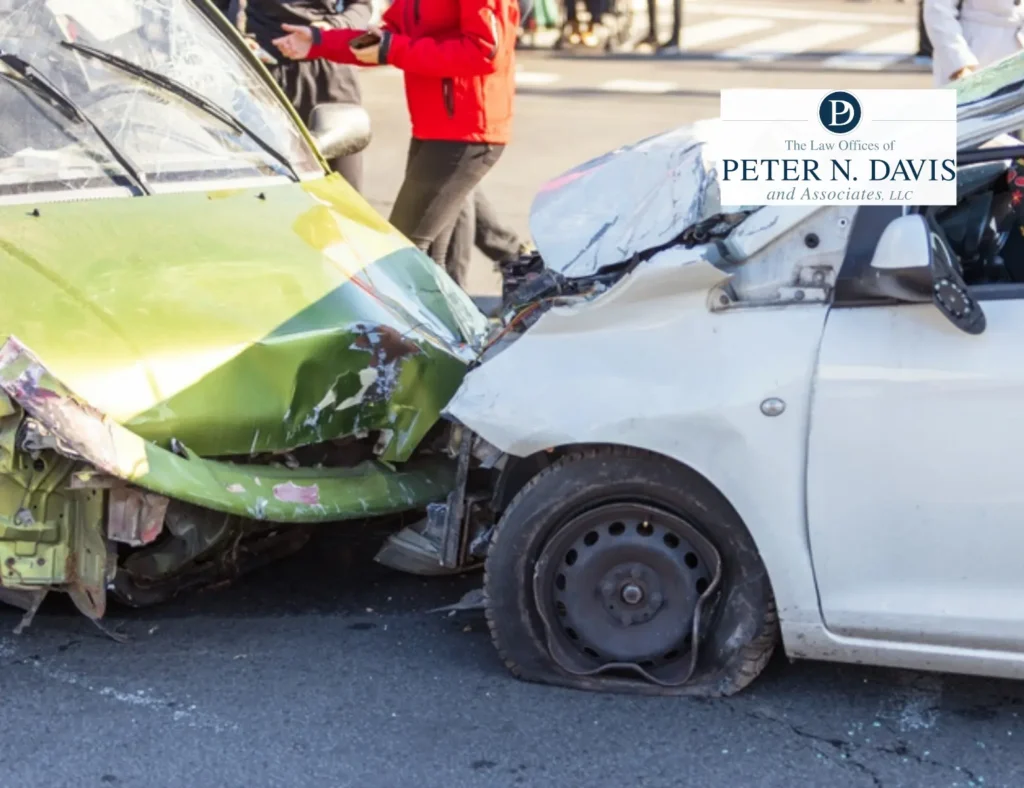
Cruising down the busy streets of Elizabeth, New Jersey, the last thing you expect is a sudden crash. In an instant, a routine drive turns into a blur of shattered glass, sirens, and immediate physical pain. As the dust settles, you are left dealing with vehicle damage, medical bills, and a confusing legal process.
One of the most critical concepts you will encounter during a personal injury claim is comparative negligence in New Jersey. This legal rule determines how fault is split after an accident, directly impacting how much financial compensation you may seek to recover—or if you can recover anything at all.
At a Glance
- New Jersey follows a modified comparative negligence rule for personal injury and car accident cases.
- You may seek recovery of financial compensation as long as your shared fault does not exceed 50%.
- Your percentage of responsibility reduces your total payout.
- If you are 51% or more at fault, you are legally barred from pursuing any damages.
- Insurance companies frequently weaponize fault allegations to slash their settlement offers.
- Hiring an experienced NJ auto accident lawyer helps protect you from being unfairly blamed.
Understanding the 51 Percent Bar Rule (N.J.S.A. 2A:15-5.1)
When multiple parties share blame for a collision, New Jersey relies on a specific law known as the Comparative Negligence Act, found under N.J.S.A. 2A:15-5.1. This statute establishes that New Jersey uses modified comparative negligence laws for fault assessment. The law allows accident victims to seek compensation even if they were partially to blame for the wreck, but it sets a strict cutoff point.
Under New Jersey’s comparative negligence law, this cutoff is commonly known as the 51 percent bar rule, and it divides cases into two distinct outcomes:
- In New Jersey, plaintiffs can recover if at most 50% at fault. If your share of the blame is equal to or less than half, an injured plaintiff still has a valid legal claim.
- If a jury finds a plaintiff 51% at fault, they recover nothing. Crossing that majority threshold completely terminates your right to claim financial recovery because your own negligence outweighs the other driver’s actions.
Example: If you are hit by a speeding driver while making a turn, a court might find that you should have waited a second longer. If you are assigned 20% of the blame and the other driver gets 80%, you may still collect your payout. However, if the math flips and you are 51% to blame, New Jersey’s law completely blocks you from receiving a single penny from the other party.
How Juries Assign Fault Percentages
If your car accident case goes to a courtroom, a jury assigns fault percentages to all parties involved in these personal injury cases. Juries determine fault based on evidence presented by both sides, including a police report, witness statements, cellular records, and expert accident reconstruction. Juries weigh all of these unique factors and the specific circumstances of the wreck to reach a verdict.
A jury’s decision impacts the compensation amount awarded using a straightforward mathematical deduction based on your degree of fault. First, the jury determines the total monetary value of the plaintiff’s damages. After establishing that number, your total damages are reduced by the plaintiff’s fault percentage.
Here is how that looks in the real world:
- A jury calculates that your medical bills, lost income, and pain and suffering total $200,000.
- The jury decides you were 10% at fault because you were slightly over the speed limit.
- Your compensation is reduced by your percentage of fault ($20,000 is subtracted).
- Your final compensation award equals $180,000.
New Jersey law also protects victims in crashes involving multiple defendants. Under the state’s joint and several liability rules, defendants with 60% or more fault may be liable for full damages. This provision allows for the primary at-fault driver to be held accountable for the entire verdict if a minor defendant lacks insurance.
How Fault Shifts in Common Traffic Scenarios
Each traffic accident has unique dynamics, and an experienced New Jersey injury attorney knows how to evaluate the specific details of your crash to keep unfair blame off your shoulders. Whether you are a driver or an injured passenger, fault allocations shift depending on the crash type.
Rear-End Collisions
In car accidents, rear drivers are usually presumed at fault due to tailgating or distraction. However, if the front vehicle had broken brake lights or reversed suddenly, a jury can assign a percentage of fault to the front driver.
Pedestrian Accidents
Pedestrian accidents may involve drivers failing to yield at crosswalks. The defense will often try to argue that the pedestrian stepped out too quickly or was looking at a phone to shift blame away from the driver.
Multi-Party Pileups
In multi-party accidents, fault is assigned to each party based on individual actions. In these scenarios, the combined negligence of all drivers is calculated, and a jury might apportion liability among three drivers, assigning percentages such as 50%, 35%, and 15% depending on who caused each chain reaction.
Why Insurance Adjusters Apportion Fault
Insurance companies are not in the business of handing out fair payouts willingly; they are corporations focused on protecting their bottom line. Insurance companies often use apportionment of fault to reduce settlements. Shortly after your crash, an insurer might call you under the guise of being helpful, trying to get you to make a recorded statement that compromises your case.
Instead of holding the true at-fault party accountable, they look for any minor detail, such as bad weather, a delayed braking reaction, or a minor distraction, to argue that your share of blame is higher than it actually is. They want to dispute the true extent of your injuries to protect their corporate interests.
Navigating this complex process requires the guidance of dedicated auto accident lawyers in New Jersey who can provide the legal representation you need to shield you from these corporate tactics.
Frequently Asked Questions
Can I still qualify for compensation if I am found to be 50% at fault in a crash?
Yes, you may still legally seek recovery of damages if you are exactly 50% at fault under New Jersey law. However, your final financial compensation would be reduced by half of your total damages.
Who decides the fault percentages if my case settles out of court?
During private settlement negotiations, the insurance adjusters and your attorney negotiate an agreement on fault based on the available evidence. If both sides cannot agree on a fair apportionment of fault, the case must go to trial for a jury to decide.
How does failing to wear a seatbelt affect my accident claim?
Failing to wear a seatbelt does not prevent you from filing a claim, but the defense can use the “seatbelt defense” to argue comparative negligence. If they prove your lack of a seatbelt made your injuries worse, a jury may reduce your financial compensation.
What is the deadline for filing an auto accident lawsuit in New Jersey?
The statute of limitations gives you two years from the calendar date of the car accident to file a personal injury lawsuit. Failing to file your paperwork before this strict legal deadline means you lose your right to seek compensation.
Don’t Let the Insurance Companies Shift the Blame
When you are recovering from a severe auto accident, the physical pain and emotional stress may feel entirely overwhelming. Medical bills are stacking up on your kitchen table, you are missing regular paychecks from work, and insurance adjusters are calling constantly to pressure you into accepting blame. You do not have to carry this heavy burden alone.
The Law Offices of Peter N. Davis & Associates is ready to stand up and fight for you. We have been going toe-to-toe with major insurance companies for over three decades, and our legal team has successfully recovered more than $1 billion in settlements for our clients. Our goal is to protect your rights and seek justice for you, making sure that corporate insurance tactics do not rob you of the money you need to heal.
Call us today at (973) 279-7246(973) 279-7246 or complete our online form to schedule your free case evaluation.
Copyright © 2026. The Law Offices of Peter N. Davis & Associates, LLC. All rights reserved.
The information in this blog post (“post”) is provided for general informational purposes only and may not reflect the current law in your jurisdiction. No information in this post should be construed as legal advice from the individual author or the law firm, nor is it intended to be a substitute for legal counsel on any subject matter. No reader of this post should act or refrain from acting based on any information included in or accessible through this post without seeking the appropriate legal or other professional advice on the particular facts and circumstances at issue from a lawyer licensed in the recipient’s state, country, or other appropriate licensing jurisdiction.
The Law Offices of Peter N. Davis & Associates, LLC
72 Essex Street, Suite 2,
Lodi, NJ 07644
(973) 279-7246(973) 279-7246
Ask a Question,
Describe Your Situation,
Request A Free Case Review
Fill out the form below or feel free to call us at (973) 279-7246(973) 279-7246
Required Fields*
Your Information Is Safe With Us
We respect your privacy. The information you provide will be used to answer your question or to schedule an appointment if requested.