How FMCSA Trucking Regulations Impact Your Truck Accident Case in Elizabeth, NJ
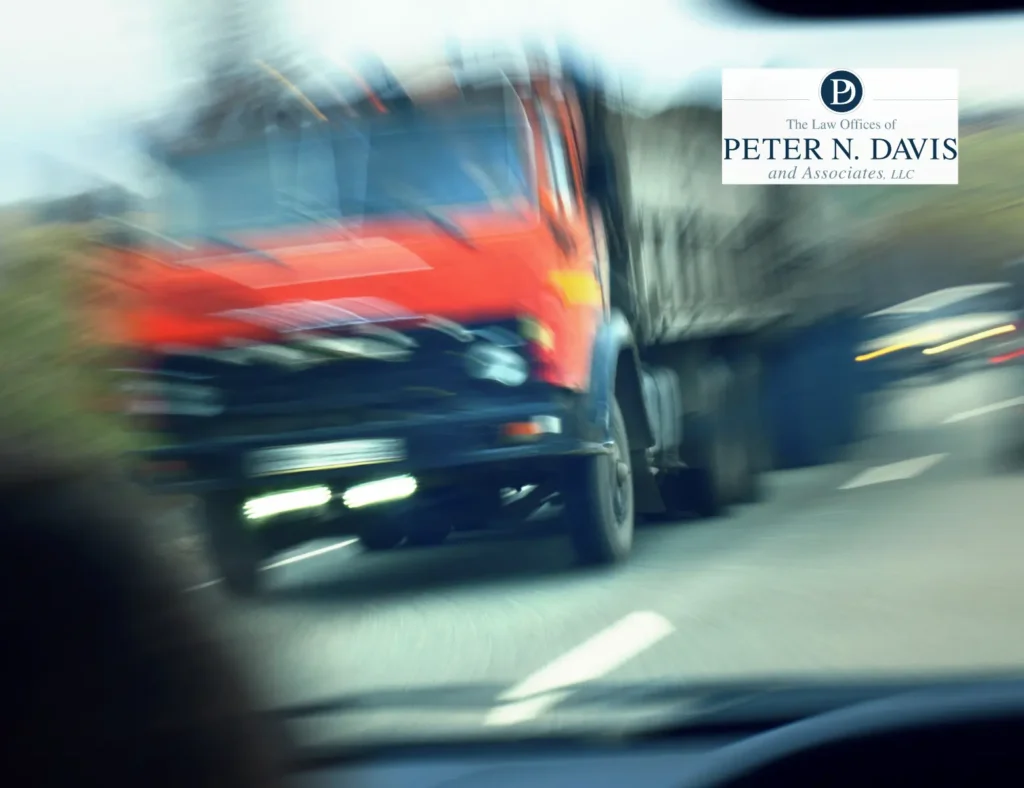
A collision with a commercial truck can change your life in seconds. Between painful injuries, mounting medical bills, and missed time from work, it is easy to feel overwhelmed after a serious crash. What many people do not realize is that the federal government has established laws that often play a major role in determining who is responsible for the accident and how much compensation may be available.
That is where FMCSA trucking regulations come into play. The FMCSA designed these federal safety rules to reduce crashes involving large trucks across the entire trucking industry. When companies or drivers ignore these regulations, violations can serve as powerful evidence in a truck accident claim.
If you were injured in a crash involving an 18-wheeler, tractor-trailer, or other commercial vehicle in Elizabeth, New Jersey, understanding these rules may help you protect your rights.
At a Glance
- FMCSA regulations set vehicle safety standards for trucking companies and drivers.
- Violations can help prove negligence after a truck accident.
- Rules cover driver hours, maintenance, cargo securement, and drug testing.
- Commercial carriers must carry significant insurance coverage.
- A truck wreck injury lawyer can investigate whether federal violations contributed to your crash.
What Are FMCSA Trucking Regulations?
The Federal Motor Carrier Safety Administration (FMCSA) oversees commercial trucking safety across the United States. As a regulatory agency, its mission is to reduce crashes, injuries, and fatalities involving large trucks and bus companies.
The FMCSA trucking regulations apply to commercial motor vehicles operating in interstate commerce (i.e., crossing state lines), whether the trucks are owned, leased, rented, or borrowed. These rules establish minimum safety standards for the entire motor carrier industry.
Some of the areas covered by FMCSA regulations include:
- Driver qualifications and Commercial Driver’s Licenses (CDLs)
- Hours of Service (HOS) limits
- Vehicle inspections and maintenance
- Cargo securement
- Drug and alcohol testing
- Financial responsibility and registration requirements
- Rules for carriers that transport hazardous materials
In New Jersey, trucking companies must also comply with state transportation laws and routing regulations.
Why FMCSA Violations Matter in Truck Accident Cases
Truck accident claims are often more complicated than regular car accident cases. Multiple parties may be involved, including:
- The truck driver
- The trucking company
- Fleet managers
- Maintenance contractors
- Cargo loading companies
- Insurance carriers
When a trucking company or any of its employees violates federal safety regulations, those violations may help establish negligence. A skilled truck wreck injury lawyer will often investigate company records, driver logs, inspection reports, and electronic data to identify safety failures.
Common FMCSA violations linked to truck accidents include:
- Driver fatigue
- Unsafe driving practices
- Poor vehicle maintenance
- Overloaded cargo
- Inadequate driver training
- Missing inspection records
- Drug or alcohol violations
These issues may significantly strengthen an injury claim.
Hours of Service Rules and Driver Fatigue
One of the most important areas of FMCSA trucking regulations involves Hours of Service rules.
Truck drivers spend long hours on the road, and fatigue is a serious danger. To reduce exhaustion-related crashes, the FMCSA rules limit how long commercial drivers can operate without rest.
Key HOS requirements include:
- Drivers must take at least a 30-minute break after 8 hours of driving
- Drivers must maintain accurate driving records using a compliant ELD (Electronic Logging Device)
- Drivers cannot legally track their hours using outdated or revoked ELDs
- Daily and weekly driving limits
Unfortunately, some drivers or companies pressure drivers to exceed legal driving hours to meet deadlines. When that happens, exhausted drivers may have slower reaction times, impaired judgment, or even fall asleep behind the wheel.
If logbooks or ELD data show a driver violated HOS rules before a crash, that evidence may become critical in your case.
Truck Maintenance Requirements May Reveal Negligence
Large trucks require constant maintenance for safe operation. Federal regulations require trucking companies to regularly inspect, repair, and maintain their vehicles, making them subject to strict oversight.
Mandatory records may include:
- Brake inspections
- Tire maintenance
- Engine repairs
- Annual inspections
- Maintenance logs
A trucking company that skips inspections or ignores repairs is failing in its compliance duties and may be putting everyone on the road at risk.
For example, faulty brakes, worn tires, or steering failures can easily lead to catastrophic crashes on busy New Jersey highways. A big rig injury law firm may investigate whether poor maintenance contributed to your accident.
Driver Qualification and Drug Testing Rules
Commercial truck drivers must meet strict qualification standards before operating a commercial motor vehicle.
Under FMCSA regulations, drivers must:
- Hold a valid CDL appropriate for the vehicle
- Meet medical certification requirements
- Pass drug and alcohol testing
- Participate in random testing programs
Trucking companies must conduct pre-employment drug testing before hiring anyone. Additional drug and alcohol testing programs include:
- Random screenings
- Post-accident testing
- Reasonable suspicion testing
Results are reported to the FMCSA Drug and Alcohol Clearinghouse, a secure online database.
If a trucking company assigns employees who are unqualified or fails to follow testing requirements, that failure could increase its liability after a crash.
Cargo Securement and Weight Regulations
Improperly loaded cargo can make large trucks extremely dangerous. Federal regulations require trucking companies to inspect cargo within the first 50 miles of a trip and during duty status changes to make sure loads remain secure.
Truckers and loading companies must carefully monitor the gross vehicle weight rating (the maximum weight of the vehicle alone) and the gross combination weight rating (the total weight of the truck plus its loaded trailer). New Jersey also enforces strict truck weight limits, overseen by the state transportation department, including an 80,000-pound maximum gross weight on interstate highways.
Cargo problems may lead to:
- Jackknife accidents
- Truck rollovers
- Falling debris crashes
- Loss of vehicle control
In some cases, the company responsible for loading the truck may also share liability for the accident.
Trucking Insurance Requirements May Affect Compensation
Commercial trucking companies are required to carry much higher insurance coverage than ordinary drivers.
Under federal regulations:
- Motor carriers operating in interstate commerce must maintain minimum financial responsibility under 49 CFR Part 387
- Some passenger carriers transporting 16 or more passengers must carry at least $5 million in coverage
- For-hire carriers transporting fewer passengers may still need $1.5 million in coverage
Staying compliant with these financial requirements is important because truck accidents often cause severe injuries requiring extensive medical treatment and long-term care. In addition to insurance limits, companies must follow other regulations to maintain their operating authority.
Still, insurance companies frequently fight hard to minimize payouts. That is why many injured victims turn to a New Jersey personal injury lawyer to help them handle the claims process.
Frequently Asked Questions
What does the FMCSA do?
The FMCSA regulates commercial trucking safety in the United States. Its goal is to reduce crashes involving large trucks and buses.
Can FMCSA violations help my truck accident case?
Yes. Violations may serve as evidence that a trucking company or driver acted negligently before the crash.
How can a lawyer prove FMCSA violations?
A lawyer may review driver logs, black box data, maintenance records, inspection reports, and company safety histories.
Are trucking companies required to carry insurance?
Yes. Federal law requires commercial motor carriers to maintain minimum insurance coverage levels.
What should I do after a truck accident in Elizabeth, NJ?
Seek medical care immediately, avoid speaking to insurance adjusters alone, and contact a truck wreck injury lawyer as soon as possible.
They Broke the Rules. Now, Let Us Help You Hold Them Liable.
Truck accident cases can quickly become overwhelming. While you are trying to recover physically and emotionally, trucking companies and insurers are already working to protect their bottom line. They may deny responsibility, delay your claim, or try to pressure you into accepting less than you need.
At The Law Offices of Peter N. Davis & Associates, our goal is to protect your rights and seek justice for you and your family. We have spent more than three decades fighting insurance companies and helping injured people throughout New Jersey pursue compensation after serious accidents. Our team is ready when you need help most.
Need an attorney you can rely on? Schedule your free case evaluation today by calling us at (973) 279-7246(973) 279-7246 or completing our confidential online form.
Injured in Jersey? Peter’s Got Your Back!
Copyright © 2026. The Law Offices of Peter N. Davis & Associates, LLC. All rights reserved.
The information in this blog post (“post”) is provided for general informational purposes only and may not reflect the current law in your jurisdiction. No information in this post should be construed as legal advice from the individual author or the law firm, nor is it intended to be a substitute for legal counsel on any subject matter. No reader of this post should act or refrain from acting based on any information included in or accessible through this post without seeking the appropriate legal or other professional advice on the particular facts and circumstances at issue from a lawyer licensed in the recipient’s state, country, or other appropriate licensing jurisdiction.
The Law Offices of Peter N. Davis & Associates, LLC
72 Essex Street, Suite 2,
Lodi, NJ 07644
(973) 279-7246(973) 279-7246
https://peterdavislaw.com/
Ask a Question,
Describe Your Situation,
Request A Free Case Review
Fill out the form below or feel free to call us at (973) 279-7246(973) 279-7246
Required Fields*
Your Information Is Safe With Us
We respect your privacy. The information you provide will be used to answer your question or to schedule an appointment if requested.